
Dry Foam for Toddlers: The 2-Minute Sensory Activity You Already Have Under Your Sink
Dry Foam for Toddlers: The 2-Minute Sensory Activity You Already Have Under Your Sink
Dry foam is whipped soap foam you make in about two minutes with three things you almost certainly already own: dish soap, a splash of water, and a mixer.
It piles up thick and fluffy like whipped cream, holds its shape, and keeps little hands busy far longer than it has any right to.
It is one of the cheapest, lowest-prep sensory activities you can set up at home for toddlers ages 2 to 4, and you probably have everything you need sitting right by your sink.
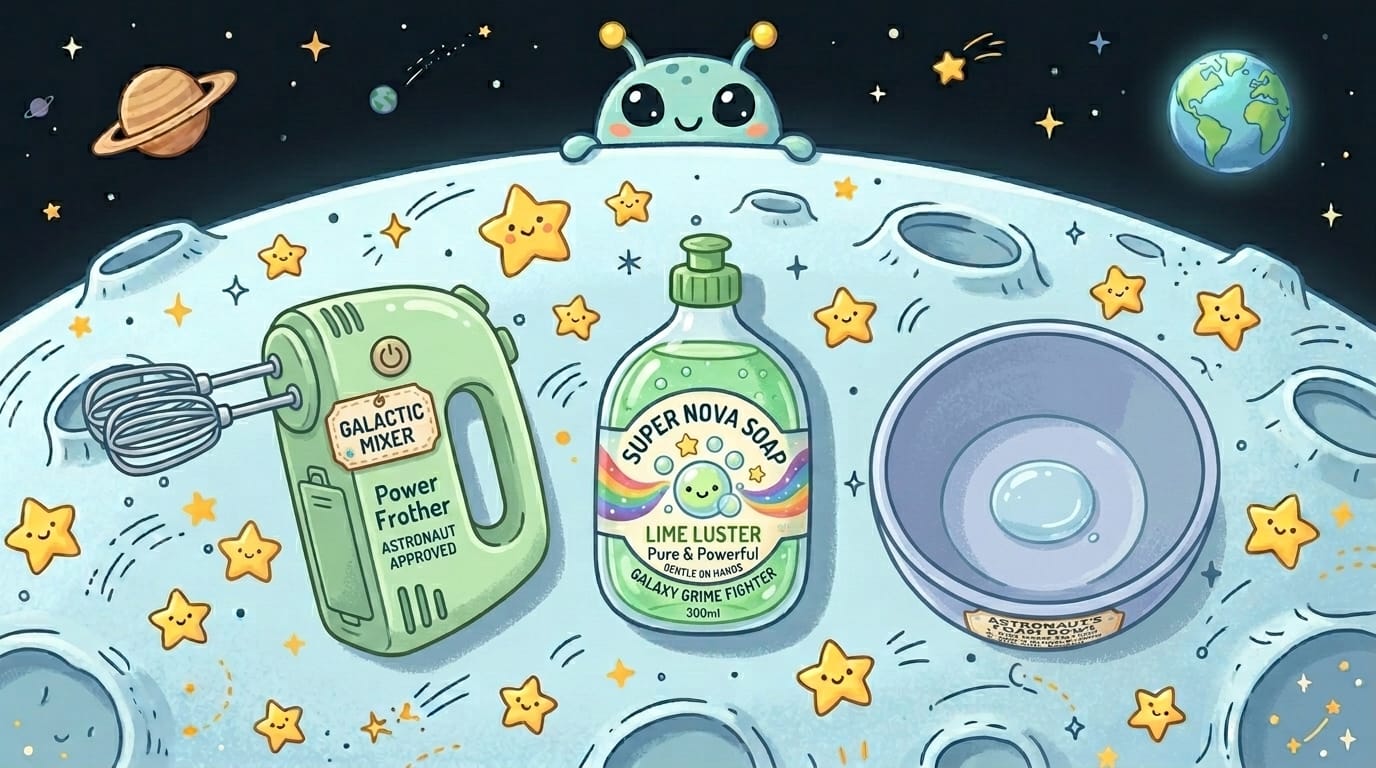
What you need:
Dish soap. A good squirt.
Water. Only a little. This is the whole trick, more on that in a second.
A mixer. An electric hand mixer is the best. A whisk and some elbow grease works too.
A bowl. Bigger than you think. Foam grows.
That is it.
Nothing special.
Nothing to order.
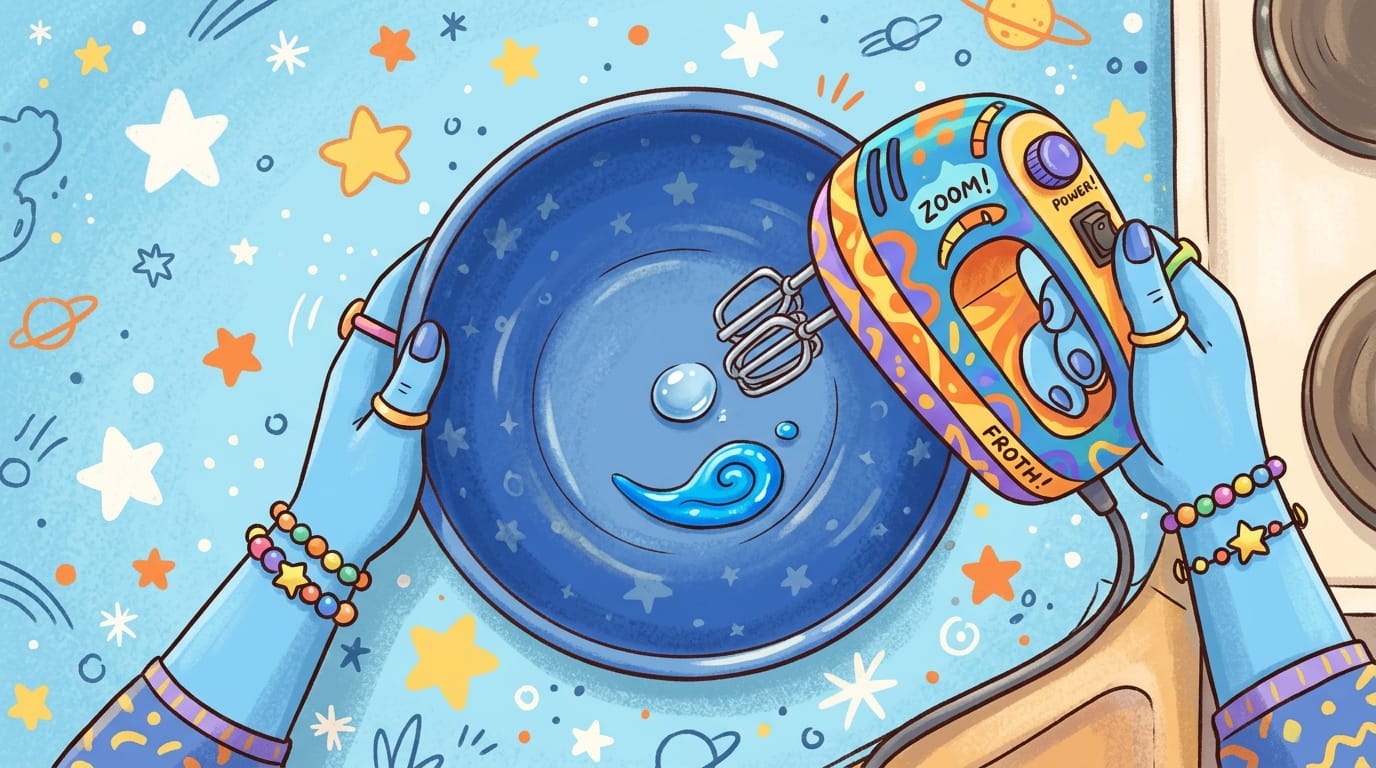
How to make it:
Squirt your dish soap into the bowl.
Add a small splash of water, and I mean small.
Then mix.
Medium to high speed if it is electric. Keep going until the whole thing turns thick and fluffy and holds soft peaks, a bit like meringue or shaving foam.
The one rule: go easy on the water.
Too much water and you get a runny, bubbly puddle that flattens in seconds. Just a little water and you get proper dry foam, the kind your toddler can scoop, pile, sculpt, and squish. Start with barely any. You can always add a few more drops, but you cannot take it back out.
Give it a minute or two of mixing and you will have a mountain of foam from a single squirt of soap.

Ways to play:
Hand them a spoon, a few cups, and a small paintbrush, then step back. Most toddlers will happily scoop and pile and flatten it over and over.
Want to stretch it further? A couple of easy twists.
Add color for fun. A drop or two of food coloring turns the foam into something new. Swirl it for a marbled look, or make a few small bowls in different colors and let them mix. One heads-up: food coloring can stain hands, clothes, and some surfaces for a little while, so old clothes and a wipeable spot (or outside) are your friends here.
Put them to work. This is my favorite version. Foam is not just for play, it actually cleans. Hand your little one a sponge and let them "wash" something that is genuinely grubby. Muddy wellies. A dusty ride-on toy. A basket of plastic cars. Or on a nice day, drag the grimy car seats or garden cushions out into the sun, hand over the foam, and let them scrub. They feel like a real helper, you end up with something actually cleaned, and everyone is happy.
Little ones love a real job far more than a pretend one.
A quick note on safety:
Stay close while they play.
The foam is for hands, not mouths, it is still soap and it tastes awful.
Keep it away from eyes, and rinse little hands when you are done.
If your child has sensitive skin, a gentler or fragrance-free soap is a safer bet.
Playing outside or over a towel makes cleanup easier too.
Why this kind of thing works on tired days:
Your toddler does not need you to be more creative or more energetic.
They need something simple to sink their hands into, and they need you nearby.
That is the whole idea behind Little Roots Playroom by Thumbles.
Simple, play-based activities using things you already own, laid out day by day so the deciding is already done for you.
Less standing in the kitchen wondering what on earth to do.
More scooping foam next to your kid while your coffee is still warm.

© Created with systeme.io